Price: $2.86 (as of Jan 15, 2026 18:09:02 UTC – Details)
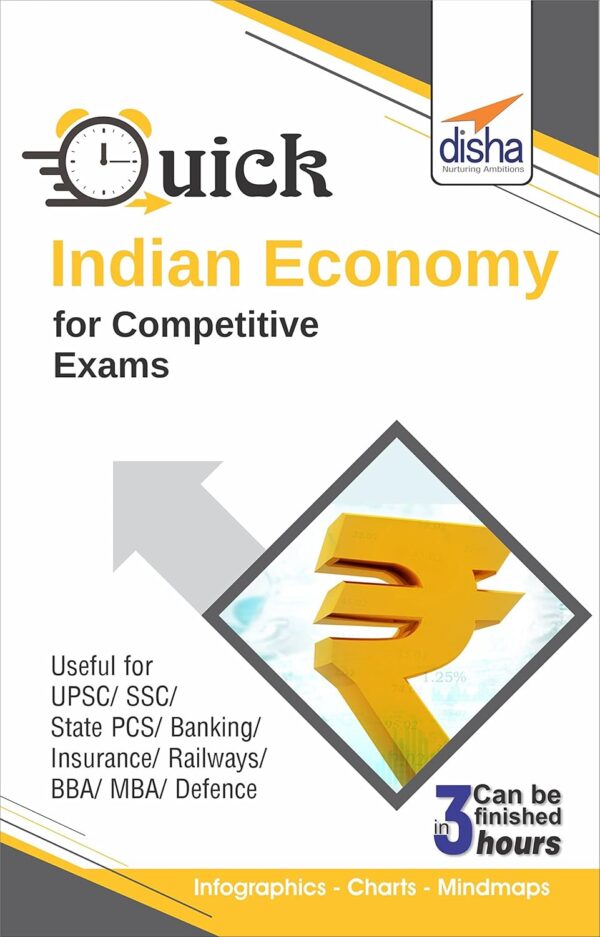
Quick Overview of the Indian Economy for Competitive Exams
The Indian economy is one of the largest and fastest-growing economies in the world, characterized by its diverse sectors, demographic advantages, and strategic reforms. For students preparing for competitive exams, a solid understanding of key aspects of the Indian economy is essential. This article provides a concise overview of the critical elements that candidates should focus on.
1. Economic Structure
The Indian economy can be broadly categorized into three sectors:
Agriculture: Although its contribution to GDP has declined over the years, agriculture remains a crucial sector, employing nearly half of the workforce. Key crops include rice, wheat, pulses, and cotton.
Industry: The industrial sector includes manufacturing, construction, and mining. Key industries encompass textiles, chemicals, automotive, and information technology. The "Make in India" initiative aims to boost manufacturing and attract foreign investment.
Services: This sector has emerged as a significant contributor to GDP, accounting for approximately 55-60%. Key areas include information technology, telecommunications, finance, and tourism.
2. Economic Indicators
For competitive exams, candidates should be familiar with the following key economic indicators:
GDP (Gross Domestic Product): The total value of goods and services produced in a country. As of 2023, India is the fifth-largest economy in the world by nominal GDP.
GNI (Gross National Income): GNI includes GDP plus net income from abroad. This measure helps understand the economic well-being of Indian residents.
Inflation Rate: Monitored through the Consumer Price Index (CPI) and Wholesale Price Index (WPI), inflation impacts purchasing power and cost of living.
Unemployment Rate: Understanding labor market dynamics is essential. The unemployment rate reflects the percentage of the labor force that is jobless and actively seeking employment.
3. Government Initiatives and Policies
Several government initiatives have been pivotal in shaping the Indian economy:
Make in India: Launched in 2014 to encourage manufacturing, attract foreign investment, and create jobs.
Digital India: A campaign to transform India into a digitally empowered society and knowledge economy.
Goods and Services Tax (GST): Implemented in 2017, GST simplified the tax structure by merging multiple indirect taxes into a single tax, enhancing compliance and reducing evasion.
Startup India: This initiative promotes entrepreneurship by providing funding, mentoring, and regulatory support to startups.
4. Foreign Trade
India’s foreign trade has expanded significantly, with major exports including textiles, pharmaceuticals, and engineering goods. Key trading partners include the United States, China, and the UAE. Understanding concepts like the trade balance, export-import policies, and the role of the Reserve Bank of India (RBI) in managing foreign exchange reserves is crucial.
5. Current Challenges
While the Indian economy has shown resilience, it faces several challenges:
Income Inequality: Disparities in wealth distribution pose social and economic challenges.
Unemployment: Ensuring job creation in a growing population remains a critical issue.
Inflation: Managing inflation, especially food inflation, is vital for maintaining economic stability.
Sustainability: Balancing economic growth with environmental concerns is increasingly important.
6. Recent Developments
Staying updated with recent developments, such as the impact of global economic trends, changes in government policy, and shifts in consumer behavior, is essential for competitive exams. For instance, the impact of the COVID-19 pandemic on the economy, recovery measures, and digital transformation trends are relevant topics.
Conclusion
A comprehensive understanding of the Indian economy, its structure, indicators, policies, challenges, and recent developments is crucial for success in competitive exams. Candidates should focus on current affairs, economic reports, and government initiatives to enhance their knowledge base. Regularly engaging with economic news and government publications can provide deeper insights and prepare candidates for any questions related to the Indian economy.
Reviews
There are no reviews yet.
Be the first to review “Quick Indian Economy for Competitive Exams”Cancel Reply






Reviews
There are no reviews yet.