Don't miss our holiday offer - up to 50% OFF!

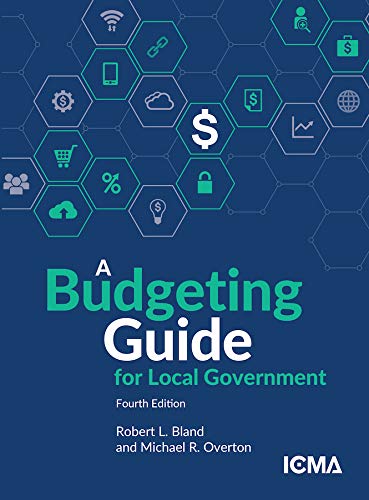
BUDGETING GUIDE F/LOCAL GOVT.
₹8982
Price: $99.99 - $89.99
(as of Dec 25, 2025 19:58:04 UTC – Details)
A Comprehensive Budgeting Guide for Local Government
Budgeting is a fundamental process that allows local governments to allocate resources effectively, plan for the future, and meet the needs of their communities. A well-structured budget not only reflects the financial health of a municipality but also serves as a blueprint for achieving strategic goals and objectives. This guide aims to provide local government officials with the essential components of effective budgeting, best practices, and tips for successful implementation.
Understanding the Importance of Budgeting
Budgeting is more than just a financial exercise; it is a critical tool for governance. Here are a few reasons why budgeting is essential for local governments:
-
Resource Allocation: Budgets help prioritize spending based on community needs, ensuring that limited resources are directed toward essential services such as public safety, infrastructure, education, and health services.
-
Financial Control: A well-prepared budget allows local governments to monitor and control expenditures, helping to prevent overspending and ensuring that public funds are used efficiently.
-
Transparency and Accountability: A transparent budgeting process fosters trust between the government and its constituents. It allows citizens to see how their tax dollars are being spent and holds officials accountable for financial decisions.
- Strategic Planning: Budgets are not static; they should align with the long-term goals and vision of the local government. A strategic budget can help translate plans into actionable steps and measurable outcomes.
Key Components of a Local Government Budget
-
Revenue Forecasting: Accurate revenue forecasting is the backbone of budgeting. Local governments must anticipate income from various sources, including property taxes, sales taxes, grants, and fees. Historical data, economic trends, and demographic changes can inform these forecasts.
-
Expenditure Planning: This involves estimating the costs associated with providing services and programs. Local governments should categorize expenditures into fixed costs (such as salaries and benefits) and variable costs (such as utility expenses and project-based costs).
-
Capital Budgeting: Capital projects, such as infrastructure improvements or facility construction, require a separate capital budget. Local governments need to identify funding sources for these projects, which may include bonds, grants, or public-private partnerships.
-
Monitoring and Reporting: Establishing a system for ongoing monitoring of revenues and expenditures is crucial. Regular financial reports can help identify variances from the budget, allowing for timely corrective actions.
- Community Engagement: Engaging the community in the budgeting process enhances transparency and ensures that the budget reflects the priorities of residents. Public hearings, surveys, and workshops can provide valuable input from constituents.
Best Practices for Effective Budgeting
-
Set Clear Goals and Objectives: Define specific, measurable, achievable, relevant, and time-bound (SMART) goals for the budget. This clarity will help guide decision-making throughout the budgeting process.
-
Adopt a Zero-Based Budgeting Approach: Instead of basing the budget on previous years’ expenditures, zero-based budgeting requires departments to justify each expense from scratch. This approach can lead to cost savings and more efficient resource allocation.
-
Utilize Technology: Implementing budgeting software can streamline the budgeting process, facilitate collaboration, and improve data accuracy. Technology can also help visualize financial data through dashboards and reports.
-
Train Staff: Providing training for staff involved in the budgeting process ensures that they have the necessary skills and knowledge to develop and manage budgets effectively.
- Review and Revise Regularly: Budgets should be dynamic documents that can be adjusted in response to changing circumstances. Regular reviews allow local governments to adapt to economic fluctuations or shifts in community needs.
Conclusion
Creating a budget for local government is a complex but necessary task that requires careful planning, community involvement, and ongoing evaluation. By understanding the importance of budgeting, incorporating best practices, and engaging with constituents, local governments can create budgets that not only meet immediate needs but also pave the way for long-term growth and sustainability. Effective budgeting ultimately leads to improved public services and a stronger community, fostering trust and collaboration between government officials and residents.



Reviews
There are no reviews yet.