Don't miss our holiday offer - up to 50% OFF!

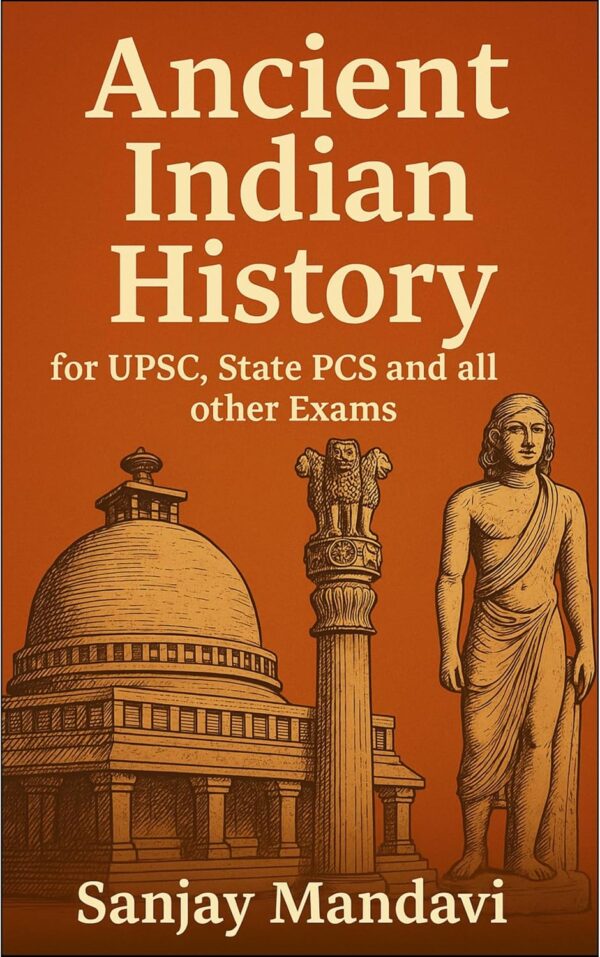
Ancient Indian History: For UPSC, State PCS and all other Ex...
₹1616
Price: $17.99 - $3.99
(as of Jan 02, 2026 08:26:55 UTC – Details)
Ancient Indian History: A Comprehensive Guide for UPSC, State PSC, and Other Competitive Exams
Ancient Indian history is a rich tapestry that reflects the diverse cultures, philosophies, and events that shaped the Indian subcontinent. For aspirants preparing for UPSC, State Public Service Commissions (PCS), and various other competitive exams, understanding ancient Indian history is crucial. This article aims to provide an overview of key topics, themes, and resources that can aid in your preparation.
Importance of Ancient Indian History in Competitive Exams
Ancient Indian history is a significant component of the General Studies syllabus for various competitive exams. Questions related to this topic often appear in preliminary and main examinations. Understanding the chronology of events, key dynasties, cultural developments, and socio-economic conditions of ancient India can provide candidates with a competitive edge.
Key Themes in Ancient Indian History
-
Indus Valley Civilization (c. 3300–1300 BCE):
- One of the world’s earliest urban civilizations, known for advanced urban planning, architecture, and trade.
- Major sites include Harappa and Mohenjo-Daro, characterized by their grid patterns and advanced drainage systems.
- The civilization’s decline remains a topic of research, with theories ranging from climate change to invasion.
-
Vedic Period (c. 1500–500 BCE):
- Marked by the composition of the Vedas, which are the oldest sacred texts of Hinduism.
- Society was organized into tribes, with a significant emphasis on rituals and sacrifices.
- The period saw the emergence of the caste system and the establishment of kingdoms.
-
Mahajanapadas (c. 600–300 BCE):
- The rise of 16 major kingdoms or republics, including Magadha, Kosala, and Vatsa.
- This era was characterized by political consolidation and the establishment of trade routes.
- The period also witnessed the emergence of Buddhism and Jainism as significant religious movements.
-
Mauryan Empire (c. 322–185 BCE):
- Founded by Chandragupta Maurya and expanded under Ashoka, who is known for his promotion of Buddhism and non-violence.
- The Mauryan administration was highly organized, with a vast network of spies and a well-maintained postal system.
- Ashoka’s edicts, inscribed on rocks and pillars, provide insights into his governance and moral philosophy.
-
Post-Mauryan Period and Regional Kingdoms (c. 200 BCE–300 CE):
- A time of fragmentation, leading to the rise of various regional powers like the Kushans and the Satavahanas.
- The spread of Buddhism and trade along the Silk Road flourished during this era.
- This period also saw significant developments in art, literature, and science.
- Gupta Empire (c. 320–550 CE):
- Often referred to as the "Golden Age of India," marked by advancements in art, science, and literature.
- Notable figures include Aryabhata in mathematics and astronomy, and Kalidasa in literature.
- The Gupta period saw the refinement of Hindu philosophy and the establishment of temple architecture.
Preparation Strategies
-
Understanding the Syllabus:
- Familiarize yourself with the specific syllabus outlined by the UPSC or State PSC for ancient Indian history.
-
Choosing the Right Books:
- "Ancient India" by R.S. Sharma provides a comprehensive overview of the period.
- "History of Ancient India" by Upinder Singh is another excellent resource for detailed study.
- NCERT textbooks serve as a solid foundation for understanding the basics.
-
Making Notes:
- Create concise notes focusing on key dates, events, and figures. Use mind maps for better retention.
- Highlight significant contributions of each dynasty to Indian culture, art, and philosophy.
-
Revision and Practice:
- Regularly revise your notes and take practice tests to gauge your understanding.
- Solve previous years’ question papers to familiarize yourself with the exam pattern.
- Discussion and Group Studies:
- Engage in group discussions with fellow aspirants to gain different perspectives and insights.
- Teaching concepts to others can reinforce your understanding.
Conclusion
Ancient Indian history is not just a subject to be memorized; it is a crucial element that offers insights into India’s cultural heritage and evolution. For those preparing for UPSC, State PCS, and other competitive examinations, a thorough understanding of this period can significantly enhance your overall performance. By using the right resources, studying strategically, and engaging in active learning, you can master the complexities of ancient Indian history and excel in your exams. Remember, history is not just a collection of facts; it is the story of humanity, and every aspirant has the opportunity to contribute to its narrative.


Reviews
There are no reviews yet.