Don't miss our holiday offer - up to 50% OFF!

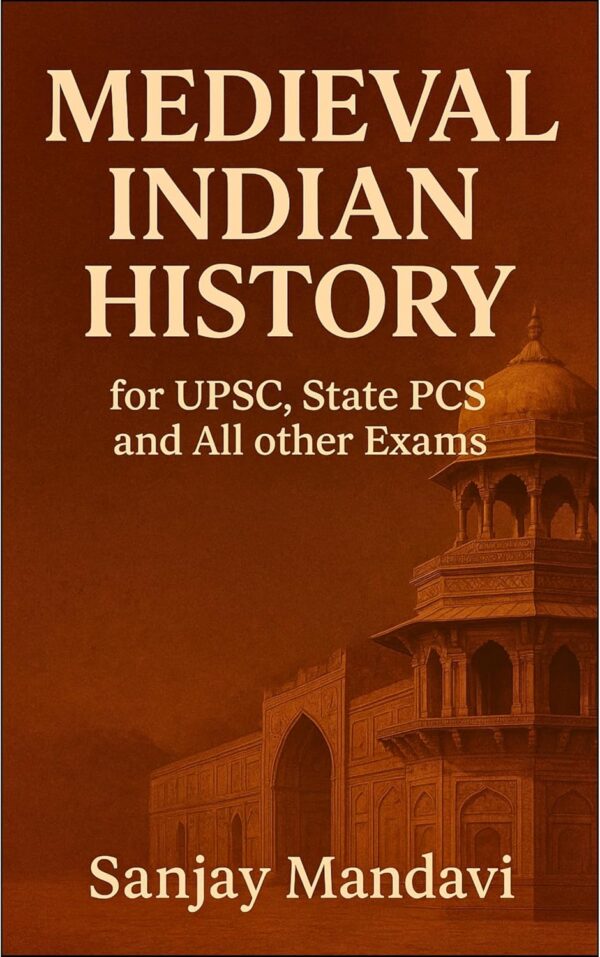
Medieval Indian History: For UPSC, State PCS and all other E...
₹2155
Price: $23.99 - $2.99
(as of Jan 04, 2026 14:37:56 UTC – Details)
Medieval Indian History: A Comprehensive Guide for Competitive Exams
Introduction
Medieval Indian history is a crucial component of various competitive examinations in India, including the Union Public Service Commission (UPSC) and State Public Service Commissions (State PCS). This period, spanning from the 8th to the 18th centuries, is marked by significant political, cultural, and economic developments that shaped modern India. Understanding the nuances of this era is essential for aspirants aiming to excel in government examinations. This article provides a comprehensive overview of medieval Indian history, highlighting key events, dynasties, and cultural transformations.
Historical Overview
Early Medieval Period (8th to 12th Century)
The early medieval period was characterized by the rise of regional powers and the decline of centralized empires. Notable dynasties included:
-
The Rashtrakutas: Known for their patronage of art and architecture, the Rashtrakutas ruled from the 8th to the 10th century and are best known for the rock-cut temples at Ellora.
-
The Cholas: Dominating southern India, the Chola dynasty (9th to 13th century) was renowned for its naval prowess, extensive trade networks, and architectural marvels such as the Brihadeeswarar Temple.
- The Palas: In eastern India, the Pala dynasty (8th to 12th century) fostered Buddhist learning and art, contributing significantly to the region’s cultural landscape.
The Delhi Sultanate (1206 to 1526)
The establishment of the Delhi Sultanate marked a significant turning point in Indian history. Key points include:
-
Formation and Expansion: The Delhi Sultanate was established by Qutb al-Din Aibak, a former slave who became the first Sultan. Subsequent rulers like Iltutmish and Alauddin Khilji expanded the territory and consolidated power.
-
Cultural Syncretism: This period saw the fusion of Persian, Turkish, and Indian cultures, leading to advancements in art, literature, and architecture. The construction of the Qutub Minar and the development of Indo-Islamic architecture are notable examples.
- Socio-Religious Movements: The era also witnessed the rise of prominent saints and reformers, such as Kabir and Guru Nanak, who emphasized communal harmony and social equality.
The Mughal Empire (1526 to 1857)
The Mughal Empire is often regarded as the pinnacle of medieval Indian history due to its vast territorial expanse and cultural achievements:
-
Founding of the Empire: Babur, a descendant of Timur, established the Mughal Empire after his victory in the First Battle of Panipat in 1526. His successors, including Akbar, Jahangir, and Shah Jahan, expanded the empire and enhanced its cultural richness.
-
Akbar’s Reforms: Akbar is renowned for his policy of religious tolerance and administrative reforms. His establishment of the Din-i Ilahi aimed to promote unity among diverse religious communities.
-
Architectural Marvels: The Mughals left an indelible mark on Indian architecture, with the Taj Mahal, Red Fort, and Fatehpur Sikri being prime examples of their opulence and aesthetic grandeur.
- Decline of the Empire: The later years of the Mughal Empire were marked by internal strife, external invasions, and the rise of regional powers, leading to its gradual decline by the mid-18th century.
Key Themes in Medieval Indian History
Religious Developments
Medieval India was a melting pot of religions, including Hinduism, Islam, Buddhism, and Jainism. The Bhakti and Sufi movements played crucial roles in promoting spiritual equality and communal harmony.
Economic Changes
The period witnessed significant economic transformations, including the growth of trade routes, urbanization, and agricultural advancements. The establishment of bustling markets and the introduction of new crops contributed to a vibrant economy.
Artistic and Literary Flourishments
Medieval India saw remarkable advancements in literature, music, and art. Persian and vernacular languages flourished, with influential works produced in Hindi, Urdu, and Bengali. The period also witnessed the growth of classical music and dance forms.
Conclusion
Understanding medieval Indian history is essential for candidates preparing for UPSC, State PCS, and other government exams. This rich historical tapestry, characterized by the interplay of politics, culture, and religion, offers valuable insights into the foundations of contemporary India. Aspiring civil servants should delve deeper into this era, exploring its complexities and significance to enhance their knowledge and analytical skills. Comprehensive study materials, including books and online resources, can further aid in mastering this pivotal period of Indian history.
By grasping the key themes and events of medieval India, candidates can approach their exams with confidence and a thorough understanding of the historical context that continues to influence the nation today.



Reviews
There are no reviews yet.